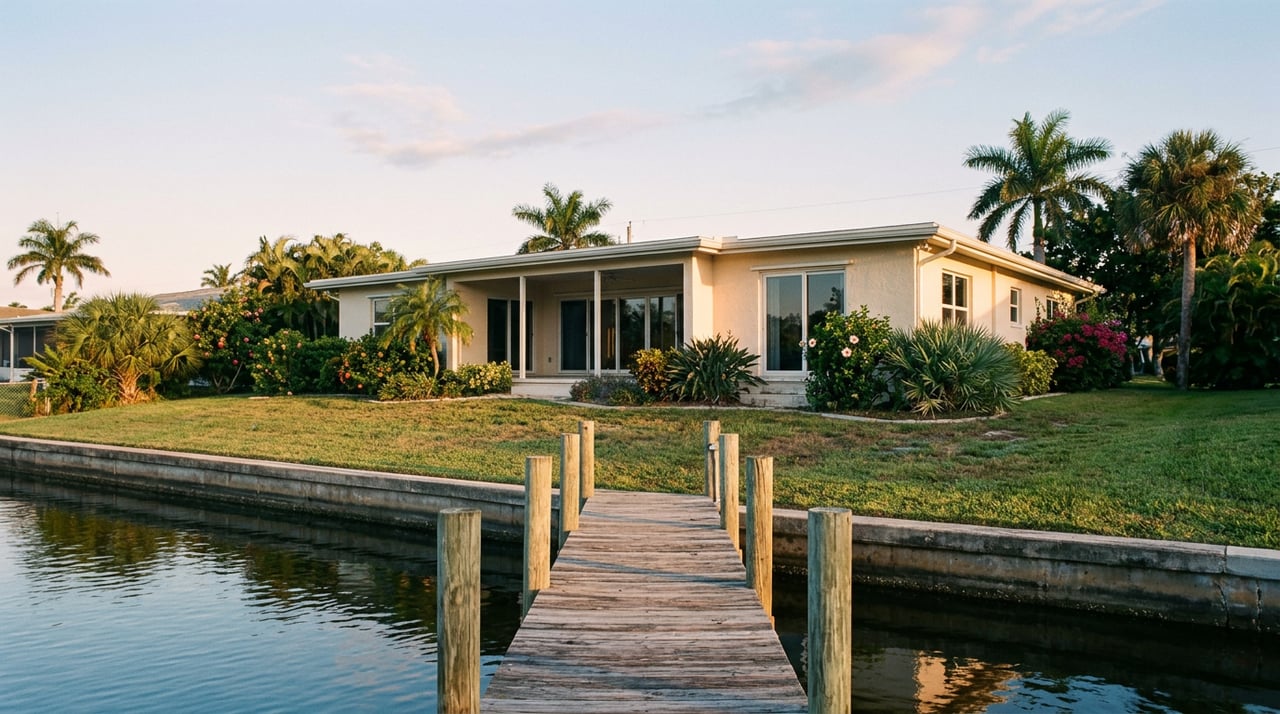
A buyer under contract on a Bird Key home orders a routine insurance quote during the due diligence period and the number comes back well north of $25,000 a year. The house looked fine. The dock looked fine. Nothing in the listing photos hinted at the problem. What actually happened is that the structure sits below current flood elevation standards, and the insurer priced that risk the way insurers always do: precisely, and without sympathy for the closing timeline. Deals on this island have stalled or collapsed over exactly this discovery, often with days left before closing.
The frustrating part is that this isn't bad luck. It's predictable, if you know where to look before you write the offer instead of after.
Here's the claim worth sitting with before you tour a single house on this island: the number that actually prices a Bird Key listing isn't the list price, the price per square foot, or even the neighborhood median. It's whether the structure has already crossed a single federal threshold, one that has nothing to do with curb appeal and everything to do with what the home is legally allowed to become.
Two Islands, One Causeway
Bird Key was platted by Arvida in 1959 through dredge-and-fill construction on roughly 250 acres just west of the John Ringling Causeway. The lot count has barely moved since. Roughly 500 single-family homes sit on the island today, about 300 of them on deep-water canals or Sarasota Bay frontage, the rest on interior garden lots. No new land is coming. What has changed, over and over, is what sits on those lots.
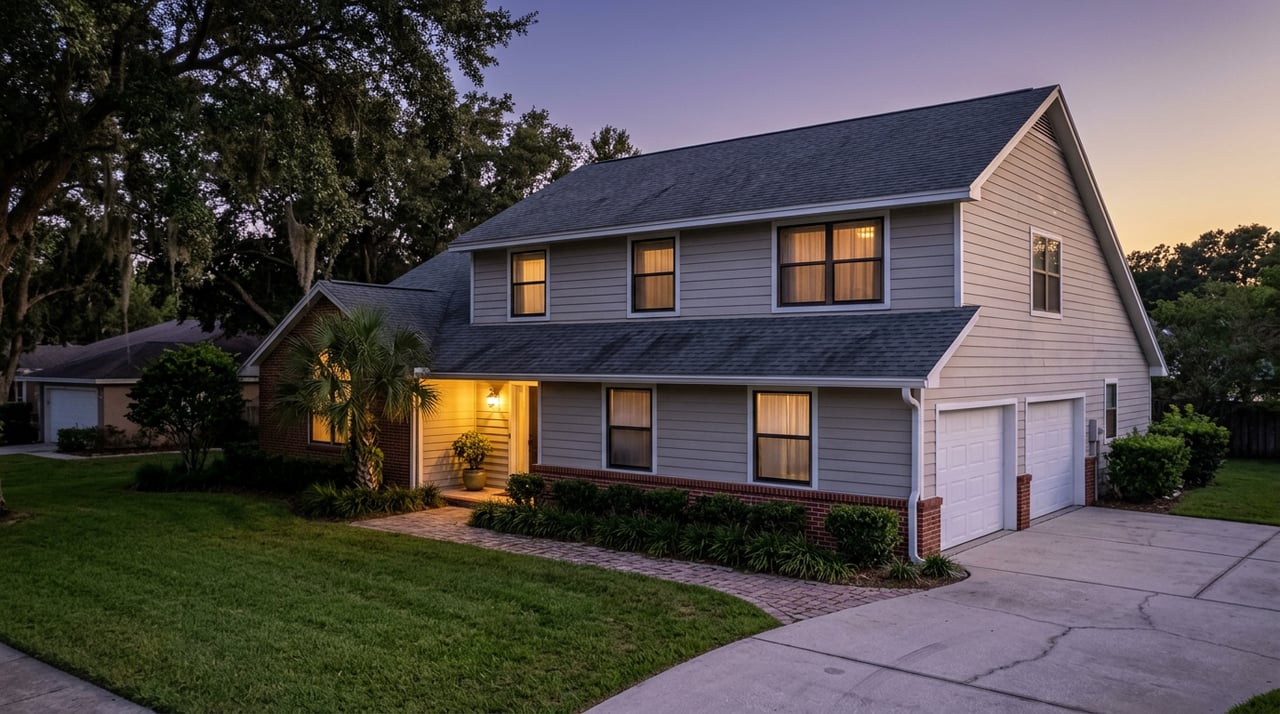
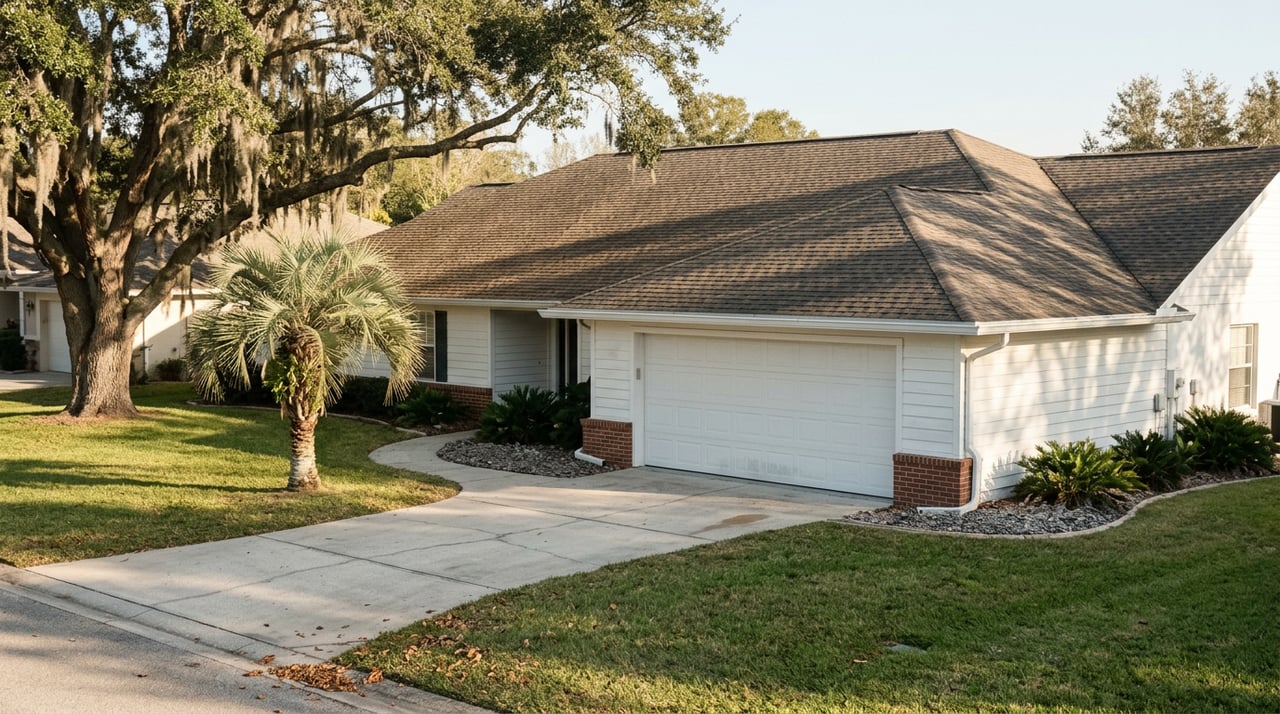
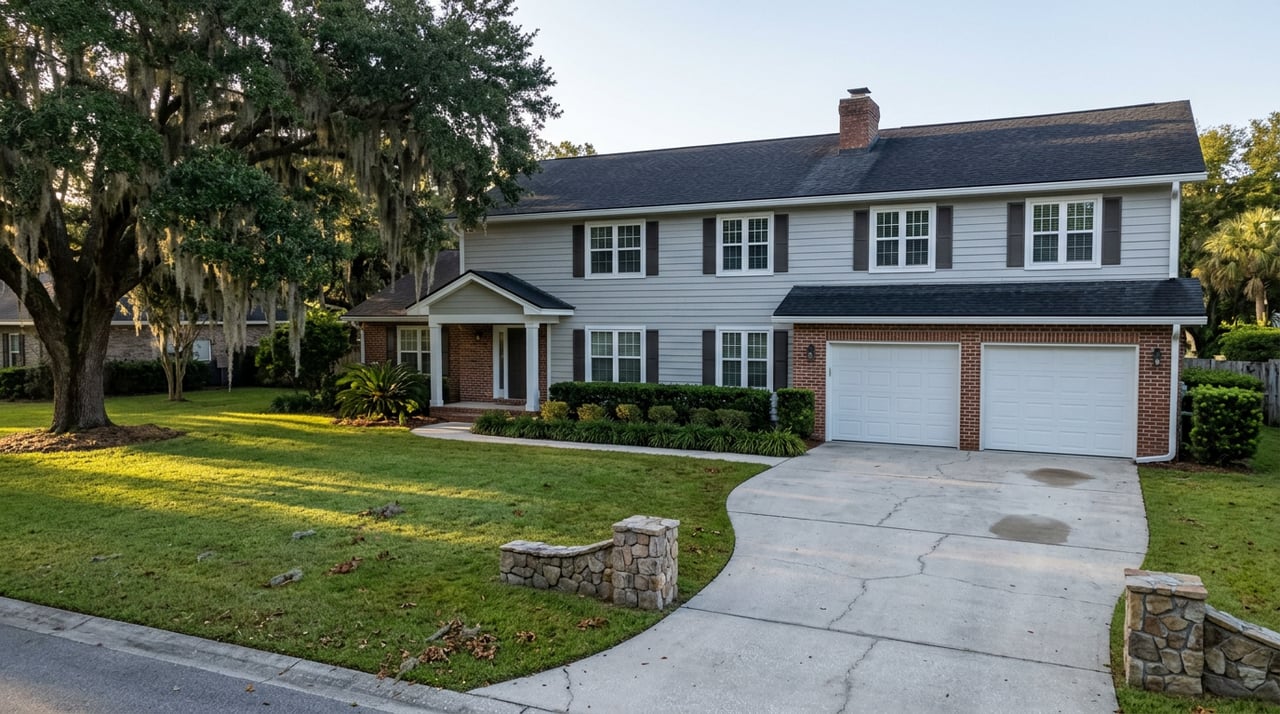
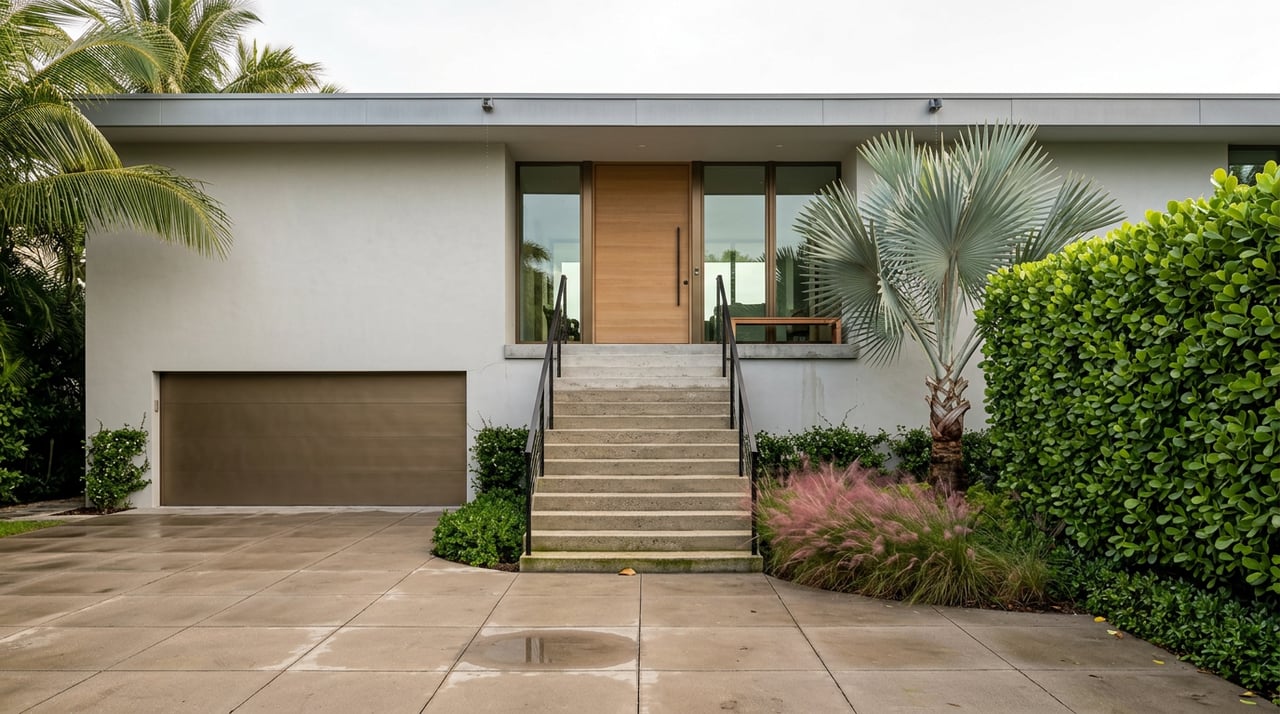
Most active inventory falls into one of two very different products wearing the same zip code. One is a 1960s ranch that hasn't been substantially touched: usually a single story, often built before current elevation standards, sometimes carrying a dock and seawall as old as the house itself. The other is a rebuilt or newly constructed estate: typically two stories, elevated to current FEMA standards, with a new dock and refreshed seawall built into the price.
Treat those as points on the same curve and you'll make one of two mistakes. Compare an older ranch's price per square foot against a rebuilt estate's and the estate looks wildly overpriced. Compare the reverse and the ranch looks like a steal, right up until you price what it actually costs to bring it current.
What the Buckets Actually Cost
A Realtor.com read circulating this spring put Bird Key's median list near $3.87 million, at roughly $1,268 a square foot. That number is true and nearly useless on its own, because it blends two products that don't belong on the same chart. A more honest way to read the island splits by position and water access:
| Lot type | Typical 2026 range |
|---|---|
| Interior or non-waterfront | $2M to $4M (smaller, unrenovated ranches sometimes trade closer to $1.5M) |
| Garden canal, bridge-restricted | $3M to $5M |
| Sailboat canal, no bridge restrictions | $4M to $8M |
| Deep-water bayfront, eastern edge | $8M to $15M and above |
Within every one of those tiers, the ranch-versus-rebuild split is still doing most of the pricing work. A buyer who has sorted a listing into the correct bucket before touring it is negotiating from a position the buyer averaging the island median simply doesn't have.
The Line That Actually Prices the Home
Here's the mechanism underneath all of it. FEMA's substantial improvement rule, commonly called the 50 percent rule, says that once the cost of repairing or renovating a structure reaches half of that structure's market value, the entire building must be brought up to current flood zone construction standards, not just the portion being repaired. On a barrier island where most properties sit at roughly 5 to 8 feet above sea level, that isn't a technicality. It's the difference between a kitchen remodel and a full elevation project.
The part most buyers miss is what the 50 percent is measured against. It's the structure's value, not the land's. On Bird Key, where a builder can look at a 1960s ranch and know the dirt underneath is worth more than the house sitting on it, that math cuts both ways. A low county-assessed structure value means even a moderate renovation budget can cross the threshold fast. Builders working this market routinely bring in a fresh structure appraisal before scoping a project, because updating that number is often the difference between a phased renovation staying inside the limit and a project quietly becoming a mandatory full rebuild mid-permit.
That's the real reason a 1960s ranch and a rebuilt estate aren't comparable products. One has already absorbed the cost of crossing that line. The other is a bet on how the math works out once you start.
What Crossing the Line Costs
Combined wind, flood, and homeowners premiums on Sarasota waterfront property generally run $18,000 to $45,000 a year depending on flood zone and construction, and that range is exactly why the insurance quote deserves to happen during due diligence, not after mortgage approval. Seawall condition adds its own line item. Routine repairs across Sarasota and Manatee counties typically run $25 to $125 per linear foot, but a full replacement can reach $500 to $1,200 per linear foot as of this spring. On a 150-foot waterfront lot, a full replacement can mean a $75,000 to $180,000 project, and that's before permitting.
Permitting itself carries a jurisdictional wrinkle worth knowing before you assume the county's rules apply. Canal homes on Bird Key fall inside City of Sarasota limits rather than unincorporated county land, which means dock, lift, and seawall work routes through the city's building department rather than the county's. Canal homeowners in this market typically need four layers of approval: a local building or dock permit, a boat lift permit tied to the dock application, a seawall repair or replacement permit, and state or federal authorization through an FDEP letter of authorization or Army Corps of Engineers consent for work touching navigable water. Straightforward projects run four to twelve weeks. Unpermitted work discovered later can bring fines exceeding $10,000, and it becomes the new owner's problem to remediate, not the seller's.
The Access Question Buyers Skip
Two details matter here that rarely show up in a listing description. The first is timing: FDOT has been improving SR 789 from east of Sunset Drive to Bird Key Drive since early 2026, with lane closures and a completion date scheduled for early 2027. If your causeway commute is part of the appeal, drive it during an actual weekday before you assume the five-minute trip to downtown holds up while construction is active.
The second is what waterfront lifestyle actually requires you to own. The Bird Key Yacht Club anchors the island's social and recreational life with a 42-slip marina, wet slips and lifts, a fitness center, tennis courts, and a dining terrace looking out at the downtown Sarasota skyline. Membership is open to island residents regardless of lot type, which means even a garden lot buyer with no personal dock can still keep a boat on the island and use the marina. That's a meaningful detail if you're deciding whether the premium for direct waterfront access is worth paying, since some of what you're buying with bayfront frontage is available to interior-lot owners through the club instead.
How to Actually Price a Listing
Before an offer goes in on anything built before 1990, four questions do more work than the comparable sales sheet:
- What is the current structure value, separate from the land, and has it been reappraised recently
- What does a live insurance quote for this exact address actually cost, not a countywide estimate
- What is the documented permit history for the dock, lift, and seawall, and was every permit closed with a final inspection
- Which jurisdiction, city or county, governs any future work on this specific parcel
Sarasota and Manatee counties closed June 2026 with single-family inventory at 4.1 months of supply, a median 47 days on market, and sellers receiving 94.4 percent of original list price on average. That's a tight county market by any measure. Bird Key's real constraint runs deeper than low supply. It's structural. Sort the listing into its correct bucket first, and the county-level numbers become useful context instead of a distraction from the number that actually matters.
Frequently Asked Questions
Does the 50 percent rule follow the property or just the current owner's renovation plans? It attaches to the structure, not the person doing the work. A future owner planning improvements inherits the same threshold and the same structure-value math, which is why the rule belongs in a buyer's due diligence, not just a seller's renovation history.
If I buy a non-elevated ranch, can I do a phased renovation to avoid triggering the rule? Some owners structure work in phases specifically to stay under the threshold on any single project, but jurisdictions vary in how they count cumulative improvement costs over time. Confirm the specific lookback approach with the governing building department before assuming a phased plan avoids the trigger.
Do garden lot owners on Bird Key have any boating access at all? Yes. Bird Key Yacht Club membership is available to island residents regardless of whether their lot touches water, and the club's 42-slip marina lets garden lot owners keep a boat on the island even without a private dock.
Bird Key rewards buyers who know which product they're actually pricing before they tour it. If you're weighing a rebuild opportunity against a finished estate on this island, or trying to figure out what your own Bird Key home would sell for once the bucket it belongs to is properly accounted for, Angela Adams can walk through the specifics with you. Get Your Free Home Valuation and start with a number that reflects which market you're actually in.