Dreaming of a lock-and-leave home in Venice where the pool, fitness center, and social life are all inside the gate? You want low maintenance, a friendly calendar, and clear costs. This guide shows you the amenities you’ll commonly find, what HOA or condo dues usually cover, real-world costs, lifestyle tradeoffs, and a practical checklist to use before you buy. Let’s dive in.
Top amenities in Venice gated communities
Venice and greater Sarasota offer many gated options, from single-family HOAs to condo buildings and master-planned and golf communities. Amenities vary by price point and product type, but you’ll often see a familiar mix built around wellness and convenience.
- Clubhouse and social spaces. Expect a central clubhouse with multi-use rooms, community or card rooms, arts and crafts spaces, and sometimes a catering kitchen. Many neighborhoods keep an organized social calendar with clubs, potlucks, lectures, and holiday events.
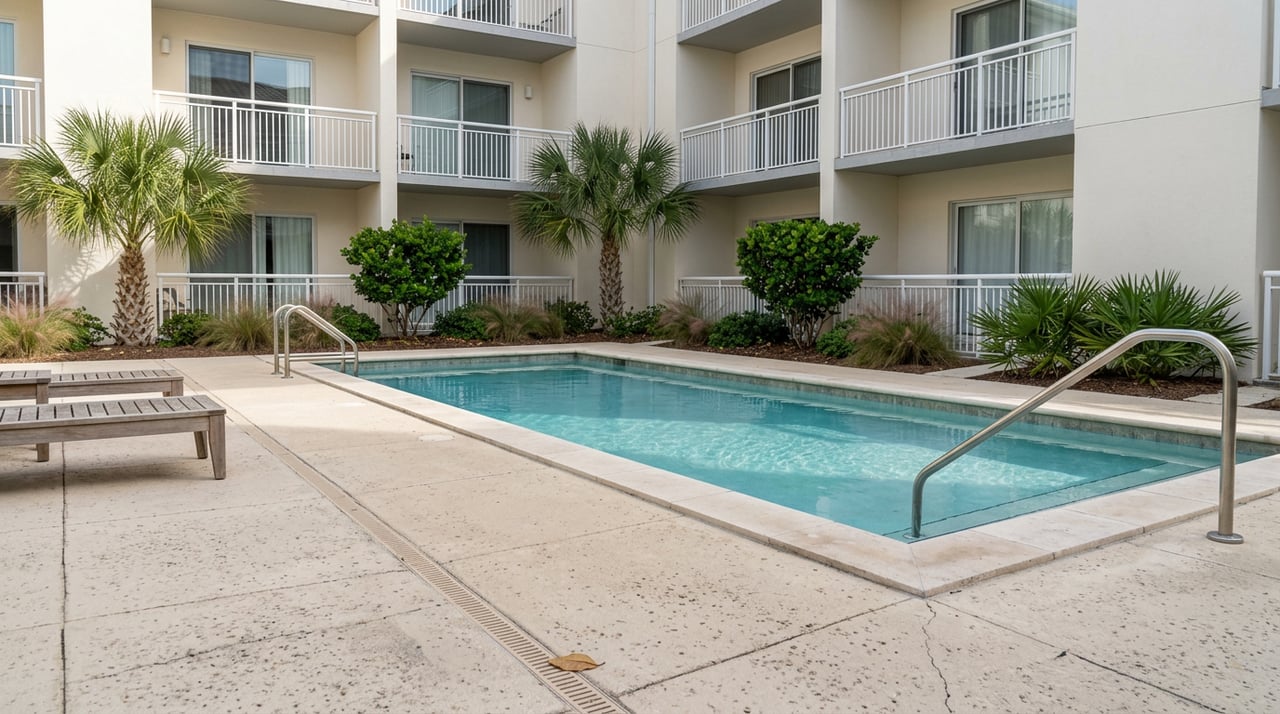
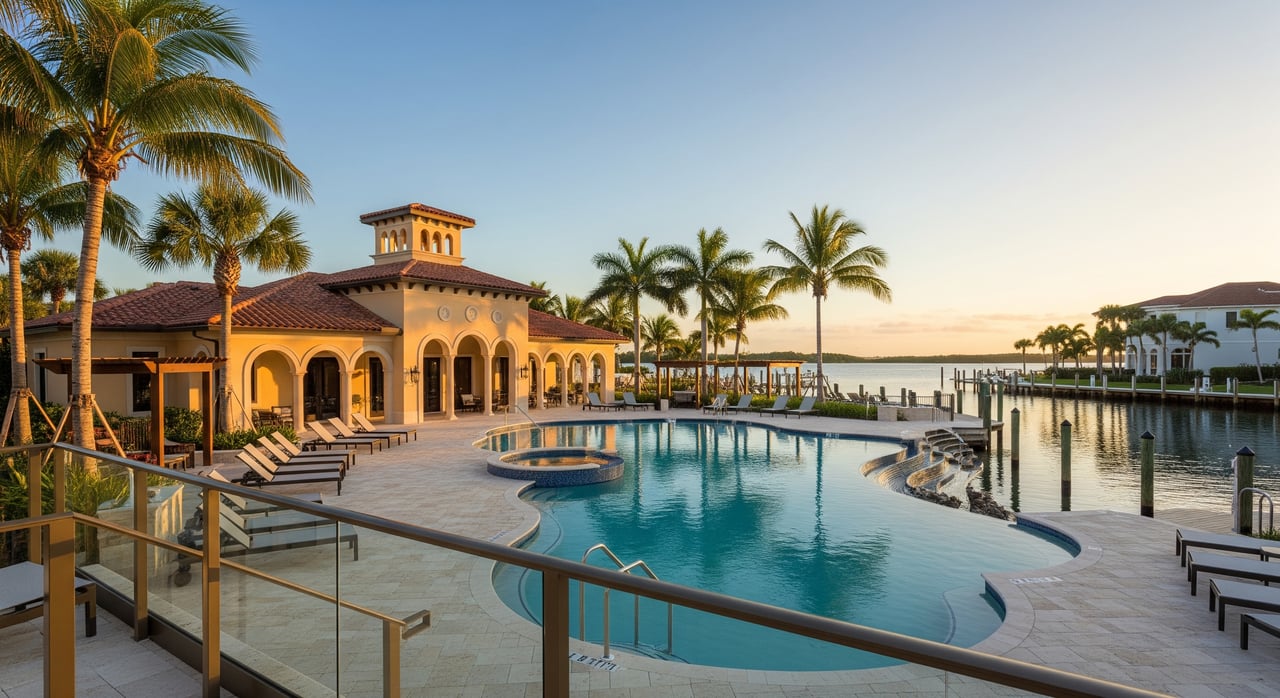
- Aquatics. Resort-style pools, lap lanes in some communities, and heated spas are common. Look for shaded seating, cabanas, and outdoor grills near the pool deck.
- Fitness and wellness. Most communities include a fitness room with cardio and strength equipment. Larger neighborhoods may offer group classes like yoga or Pilates and have locker rooms or saunas.
- Racquet and court sports. You’ll find tennis, pickleball, and often bocce or shuffleboard. Pickleball is growing fast across Florida, and many communities add new courts or convert underused tennis space.
- Golf and country-club options. Some gated neighborhoods include private courses and clubhouses. Membership is often separate from HOA dues and comes with its own initiation and monthly fees.
- Outdoor lifestyle and trails. Walking paths, bike routes, landscaped common areas, and lakeside or canal boardwalks are popular. Waterfront developments may have fishing docks, kayak launches, or community gardens.
- Gate and security features. Entry ranges from electronic gates with call boxes to staffed guardhouses in luxury communities. Private roads and lighting are typically maintained by the association.
- Maintenance and services. Common-area landscaping, irrigation, and pest control are standard. Condos often include exterior building maintenance, while some single-family HOAs cover lawn care for front yards or offer it via separate contracts.
- Convenience services. Larger developments may have an activities director or lifestyle coordinator. Occasional shuttle services exist, but they are less common.
What HOA and condo dues cover
Coverage depends on whether you’re buying in a condominium association or a single-family HOA. Always verify details in the governing documents.
Often included
- Common-area maintenance for clubhouses, pools, courts, and landscaping
- Utilities for common areas, such as irrigation water and exterior lighting
- Building insurance for condos via a master policy covering common elements
- Trash and recycling services, depending on local municipal providers
- Gate operation and staffing for manned entries
- Management, accounting, legal, and reserve funding for future repairs
Often not included
- Individual homeowner insurance for your interior or single-family structure
- Flood insurance if required by your lender or flood zone
- Private club or golf initiation fees and ongoing dues
- Utilities for your residence unless the community bundles them
- Lawn care for single-family homes if not specified in the HOA documents
- Structural upkeep of single-family homes unless stated in the CC&Rs
Reserves and assessments
- Healthy associations fund reserves for big-ticket items like roofs, pool resurfacing, or roadwork.
- If reserves fall short, boards may increase dues or levy special assessments. Review recent financials and reserve studies to gauge risk.
Costs and fees to plan for
Beyond the purchase price, build a budget that reflects the community’s amenity level and governance.
- Recurring dues. Monthly HOA or condo fees vary widely. Amenity-rich and guard-gated neighborhoods usually come with higher dues.
- Club memberships. If the community has a private golf or country club, expect separate initiation and monthly fees.
- Closing and onboarding costs. Associations often charge transfer, resale/estoppel, and capital contribution fees. You may also see move-in, gate remote, and application fees.
- Special assessments. Associations sometimes levy assessments for major projects or reserve shortfalls. Recent meeting minutes can reveal what’s ahead.
- Insurance. Florida homeowner premiums and hurricane deductibles can be higher than national averages. Condos typically include a master policy, but you still need an HO-6 policy for interiors and personal property. Flood insurance may be required based on FEMA flood zones.
- Tax and mortgage implications. Lenders evaluate association health and dues in loan approvals. Some master-planned areas also have Community Development Districts (CDDs) that appear on your property tax bill and are separate from HOA dues.
Lifestyle tradeoffs to weigh
Gated living can simplify your day-to-day, but it comes with rules and recurring costs. Match the community to your lifestyle.
Advantages
- Lower personal maintenance when exterior and landscape work is handled by the association
- On-site amenities that support fitness and social life
- Perceived increased security from controlled access
- Lock-and-leave convenience and predictable routines for part-time residents
Tradeoffs
- Ongoing dues that can rise, especially in amenity-heavy neighborhoods
- Rules around exterior changes, pets, parking, and rentals
- Less personal control over landscaping and aesthetics
- Potential for special assessments if reserves are underfunded
- Active social calendars that some owners love and others may not prefer
Seasonal buyer tips
If you spend winters in Venice and summers up north, pay close attention to use rules and logistics.
- Confirm rental rules, minimum lease terms, and any limits on short-term or multiple leases per year.
- Ask about mail and package handling and any security checks during off-season months.
- Verify seasonal staffing schedules for amenities and services.
- Review owner-occupancy ratios and rental percentages, which can influence financing and community culture.
Due-diligence checklist
Essential documents
- Association budgets for the current year and prior 2–3 years
- Recent financial statements and the most recent reserve study
- Board meeting minutes from the last 6–12 months
- CC&Rs, bylaws, and rules and regulations, including rental and pet policies
- An estoppel or transfer disclosure letter with fees and status
- Certificate of insurance for the association’s master policy
- Copies of major vendor contracts for landscaping, pool, and security
- Any pending litigation involving the association
- Membership agreements and fees for optional golf or country clubs
Key questions to ask
- What exactly do regular dues include? List each item, such as roof, exterior paint, irrigation, and cable for common areas.
- Are dues increases or special assessments planned in the next 12–36 months?
- What are the owner-occupied versus rented percentages?
- How well funded are reserves, and when was the latest reserve study completed?
- What are the rules for rentals, guests, and subletting?
- How does gate access work? Is it staffed or electronic, and what are visitor policies?
- For any club, is membership required and how are dues governed?
On-site review tips
- Tour the clubhouse, pool, fitness center, and courts to assess condition and usage.
- If possible, attend a community event to get a feel for the culture.
- Drive the neighborhood at different times to check noise and maintenance.
- Note proximity to Venice beaches, grocery stores, health care, and the Sarasota airport for travel convenience.
Local factors that shape amenities and costs
Venice and Sarasota County attract many retirees and seasonal residents, so developers often emphasize fitness, social programming, and low-maintenance living. Pickleball demand is strong, which means more courts and sometimes conversions of existing tennis space. Coastal weather and hurricane risk influence insurance pricing and association budgets, and flood zone designations can affect whether you need flood insurance. In some large master-planned neighborhoods, CDDs finance infrastructure and recreation, adding a line item to your property tax bill separate from HOA dues.
How to compare communities
- Set lifestyle priorities first: pool and spa access, fitness classes, racquet sports, or golf.
- Map your budget, including dues, insurance, any club fees, and potential CDD assessments.
- Confirm rental policies and guest rules if you plan to host family or rent seasonally.
- Review reserves, financials, and meeting minutes to understand coming projects.
- Visit at different times and talk with residents to learn how amenities are used.
- Get insurance quotes specific to the property and verify any flood requirements.
Ready to explore Venice gated living?
If you want an amenity-rich, low-maintenance lifestyle in Venice or across Sarasota County, you need clear guidance and a detail-first plan. As a local REALTOR backed by a respected regional brokerage, I help you compare communities, review documents, and navigate costs with confidence. When you are ready, connect with Angela Adams for thoughtful, hands-on representation.
FAQs
What amenities are common in Venice gated communities?
- Many include a clubhouse, resort-style pool and spa, fitness center, pickleball or tennis, walking trails, and landscaped common areas. Golf and dining appear in select club communities.
Do HOA or condo dues in Venice cover my home’s insurance?
- Condo master policies usually cover common elements, while owners carry HO-6 policies for interiors. Single-family owners typically carry their own hazard and, if needed, flood insurance.
Are golf memberships included with HOA dues?
- In most cases, golf and country-club memberships are separate with their own initiation and monthly fees. Verify whether membership is optional or required.
How do CDDs impact my costs in Sarasota County?
- Community Development Districts levy assessments on your property tax bill to fund infrastructure and amenities. These are separate from HOA or condo dues.
What should seasonal buyers check before purchasing?
- Review rental rules, owner-occupancy ratios, mail and package procedures, seasonal staffing, and meeting minutes for any upcoming projects or assessments.
How can I gauge the risk of special assessments?
- Compare reserves against the latest reserve study, read recent budgets and meeting minutes, and ask about planned projects over the next 12–36 months.